Patio or Deck: Which Outdoor Option Is Best for You?
When considering outdoor spaces, the choice between a patio and a deck can be quite challenging. Either choice presents distinct advantages and disadvantages that can significantly affect both form and function. Factors such as intended use, budget constraints, and maintenance requirements have a significant impact on this selection. Recognizing these considerations can enable homeowners to choose wisely. So which choice is most compatible with your individual needs and desires? The result might be unexpected.
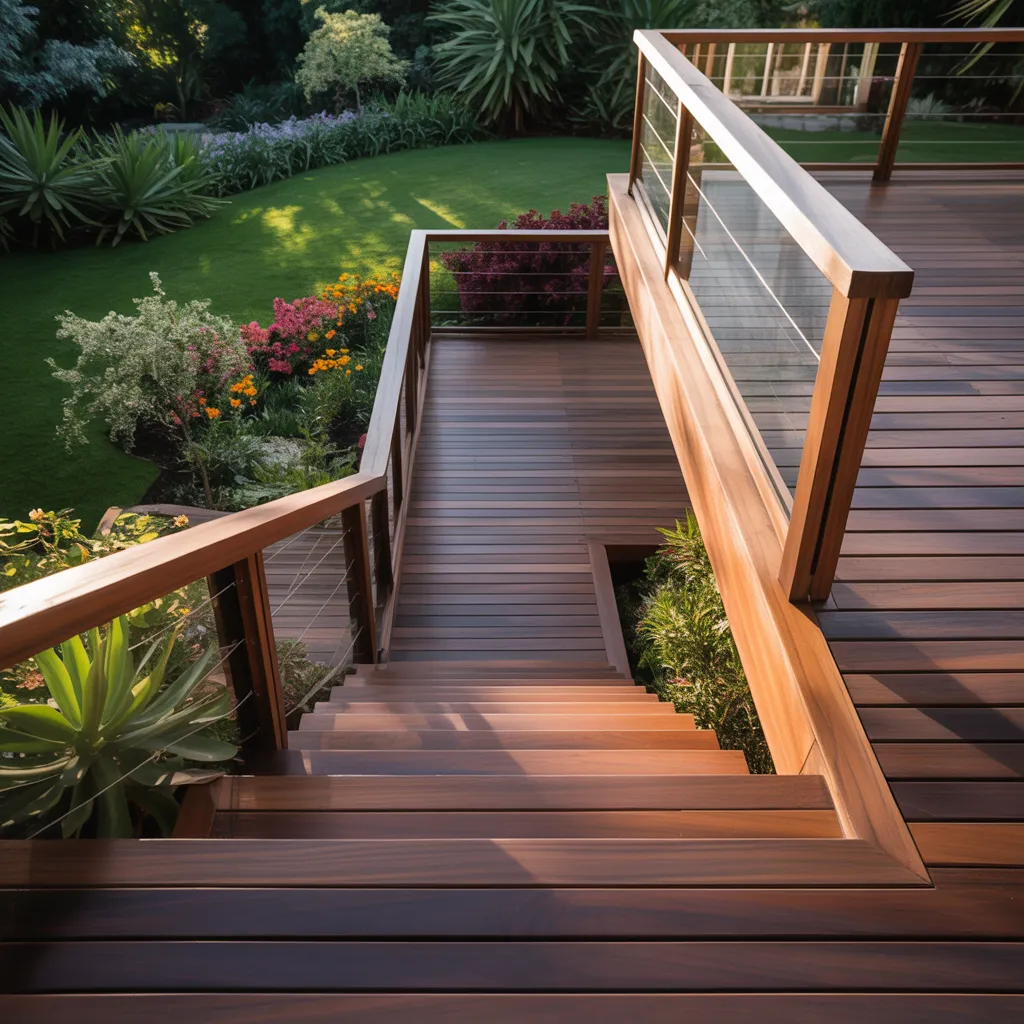
Reaching Your Decision: Key Factors for Your Exterior Space
When evaluating the most suitable solution for an outdoor space, what factors should be taken into account? Property owners need to consider a number of important factors, including the desired function of the outdoor space, financial considerations, and ongoing care needs. Initially, understanding how the outdoor area will be utilized—whether for entertaining, relaxation, or gardening—can greatly influence the choice. Additionally, cost restrictions serve as an important factor; patios generally have lower installation costs compared to decks, given the higher cost of materials and greater construction demands involved with decks. Moreover, ongoing care demands must be factored in. Patios typically require less upkeep than decks, as decks may need periodic sealing and staining. In addition, the local climate and terrain can affect the durability and practicality of each option. By weighing these factors, homeowners can make an informed decision that aligns with their lifestyle and preferences, ensuring a satisfying outdoor environment for years to come.
Understanding the Basics: How a Patio Differs From a Deck?
Understanding the basics of patios and decks involves recognizing their distinct material choices and design elements. Patios are generally made from concrete, stone, or brick, while decks are usually made of wood or composite materials. Furthermore, decks are frequently raised above ground level, delivering a unique aesthetic and functional appeal when compared to the surface-level design of patios.
Material Options Overview
Material selection plays an essential role in the difference between patios and decks. Patios are generally constructed using materials like concrete, stone, or brick, offering a stable surface and durability that merges harmoniously with the surrounding environment. These materials are frequently selected for their capability of handling diverse weather conditions and require minimal maintenance.
In contrast, decks are typically built from composite or wood materials, which offer a more inviting aesthetic and are lifted off the ground. Conventional timber selections, such as redwood or cedar, offer an authentic natural look but require routine maintenance to protect against rot and degradation. Composite materials, while typically pricier, present a low-maintenance alternative that replicates natural wood aesthetics. Ultimately, the choice of material greatly affects the visual appeal and functionality of each outdoor space.
Design and Elevation Distinctions
Height difference is a primary distinction between patios and decks. Typically, patios are built at ground level and are constructed from materials such as stone, concrete, or brick. As a result, they blend seamlessly with the surrounding landscape, offering a solid surface for outdoor furniture and recreational activities. On the other hand, decks are typically raised structures constructed from wood or composite materials, providing views of the yard or surrounding landscape. This elevation can enhance outdoor experiences, particularly in sloped terrains. From a design perspective, patios offer greater flexibility in shape and size, integrating naturally with gardens, whereas decks typically adopt a more standardized rectangular or square format, commonly incorporating railings and stairs for ease of access.
Best Reasons to Opt for a Patio in Your Outdoor Space
While both patios and decks offer unique advantages, many homeowners find that a patio provides a versatile and durable solution for outdoor living. Patios can be constructed from a variety of materials, like concrete, stone, or brick, allowing for customization to match the home's aesthetic. Their lower profile and integration with the landscape create a seamless shift between indoor and outdoor spaces.
In addition, patios require lower maintenance when compared with decks, which frequently require regular staining or sealing. They are equally less prone to problems like warping or splintering, making them a better option for families with young children or pets. In addition, patios can accommodate numerous outdoor additions like fire pits, grills, or seating areas, boosting their usability. All things considered, for individuals in search of a resilient, flexible outdoor setting, a patio offers an excellent option that aligns with different lifestyle requirements and tastes.
Perks of Decks for Outdoor Living
When considering options for outdoor living, decks provide a remarkable appeal that numerous homeowners value. Lifting a space above the ground, decks provide unobstructed views of the surrounding scenery, elevating the overall enjoyment of outdoor spaces. This height also enables enhanced drainage and limits moisture buildup, which can be a concern with traditional ground-level patios.
Moreover, decks present versatile design choices, supporting various styles and materials, from wood to composite materials, ensuring a fit with the house's architectural style. They also create an perfect environment for entertaining, as they can conveniently support outdoor furniture, grilling equipment, and other exterior accessories.
Additionally, decks work as linking zones, seamlessly connecting indoor and outdoor living spaces. The option to personalize dimensions and form enables homeowners to maximize their available outdoor space. All in all, decks enrich outdoor living environments, contributing to both practicality and visual appeal.
Comparing Costs: Patio vs. Deck
Financial considerations play a significant role in the decision-making process between choosing a patio or a deck for outdoor spaces. Generally, patios tend to have a lower initial installation cost compared to decks. Patios, commonly built from concrete, stone, or brick, tend to cost less because of readily available materials and straightforward labor demands. In contrast, decks typically require more specialized materials like wood or composite, along with additional structural support, increasing overall expenses.
Additionally, the cost of routine maintenance can differ. Wooden decks often require regular staining and sealing, while patios generally demand minimal maintenance. That said, the complete landscape design can affect pricing considerably. Homeowners must account for their finances not only for initial installation but also for possible future costs. Ultimately, recognizing these cost-related factors can assist in reaching a knowledgeable choice that suits both budgetary constraints and aesthetic preferences.
Deck vs. Patio: Maintenance Needs?
Upkeeping a deck generally demands more attention than caring for a patio. Decks, most notably wood-based ones, are prone to rot, weathering, and insect damage. Routine sealing and staining are required to protect the wood and prolong its lifespan. By comparison, patios, frequently built from long-lasting materials such as concrete or stone, require less routine upkeep. Cleaning a patio typically involves periodic sweeping and pressure washing to eliminate dirt and debris.
In addition, decks may need repairs from bent or deteriorating planks, while patios tend to stay in good condition unless fractured. Routine upkeep for decks often requires checking for unsecured hardware and ensuring proper drainage to prevent moisture buildup. All things considered, while either space requires consistent attention, the maintenance needs of a deck are far more involved and time-consuming compared to those of a patio, making it critical for homeowners to assess their dedication before making a decision.
Aesthetic Charm: Patios vs. Decks for Your Home
When evaluating aesthetic appeal, patios and decks provide distinct benefits for home enthusiasts. Patios offer a wide array of design flexibility with consult now various materials and finishes, while decks tend to stand out in their potential to showcase natural wood and vibrant colors. Exploring these choices helps homeowners make informed decisions that enhance their outdoor spaces.
Design Flexibility
The versatility of design plays a vital role in elevating the beauty of outdoor living environments, as both patios and decks present unique benefits. Patios, commonly built using stone, brick, or concrete, can seamlessly blend into various landscaping styles, creating a cohesive look. Their flat surfaces allow for a variety of design elements, including patio furniture, fire pits, and garden planters, allowing homeowners to customize their outdoor area with ease.
In contrast, decks, frequently built at an elevation using wood or composite materials, provide a distinct visual appeal. They help elevate views and establish a sense of spaciousness, well-suited for properties close to water or raised terrain. Both alternatives, as a result, enable creative expression, accommodating various preferences and practical requirements in outdoor design.
Available Colors and Materials
Color and material choices significantly impact the general visual appeal of decks and patios, both presenting distinct design possibilities. Patios typically utilize materials such as stone, concrete, or brick, enabling numerous texture and finish combinations. These options can be tailored with colors that range from earthy tones to bold hues, complementing the natural environment. In contrast, decks are often constructed from wood or composite materials, which can be stained or painted to achieve a desired look. Wooden decks provide a classic warmth, while composite materials provide durability across a wide range of colors. Ultimately, home and landscape styles dictate the choice, as patios and decks alike can either harmonize with or stand apart from existing architecture, forming a harmonious exterior setting.

Frequently Asked Questions
Can I Build a Patio or Deck by Myself?
Yes, someone can construct a deck or patio on their own, given that they have the required tools, skills, and knowledge. Proper planning, compliance with local regulations, and understanding of the required materials are essential for a satisfactory project.
What Are the Best Materials for Patios and Decks?
Concrete, pavers, and natural stone make excellent choices for patios, whereas wood, composite, and vinyl are outstanding options for decks. Every material provides distinct benefits in terms of durability, aesthetics, and maintenance, shaping the overall outdoor experience.
What Is the Best Way to Choose the Ideal Location for My Patio or Deck?
Choosing the ideal spot for a deck or patio requires considering sunlight, proximity to the home, drainage, privacy, and views. Evaluating these essential elements secures an comfortable and practical exterior space that suits the surrounding area.
Do Patios or Decks Offer Better Resale Value?
Patios tend to deliver greater resale value owing to their long-lasting nature, reduced upkeep expenses, and smooth blending with landscaping. However, decks can attract buyers seeking elevated outdoor spaces, making either choice potentially advantageous based on market conditions.
Which Local Regulations Influence Patio and Deck Installation?
Local guidelines impacting patio and deck installation typically include zoning laws, building codes, and permits. Homeowners must verify height restrictions, property line setbacks, and materials allowed to guarantee compliance with municipal guidelines before construction.